Junior Animal Habitats Badge: An Overview
The Junior Animal Habitats badge, introduced in 2011, replaces the Wildlife badge, offering a pathway for Girl Scouts to explore animal life.
Badge requirements, readily available in a PDF format, provide a structured approach to learning about wildlife and their environments, fostering conservation awareness.
Earning this badge empowers Juniors to understand animal needs, habitat protection, and the crucial role humans play in preserving biodiversity for future generations.
Through investigations and creative projects, scouts gain valuable insights into the interconnectedness of life and the importance of responsible stewardship.
What is the Junior Animal Habitats Badge?
The Junior Animal Habitats badge is a captivating exploration within the “Its Your Story – Tell It!” badge set, first introduced in 2011 by the Girl Scouts. This badge serves as a successor to the previously retired Wildlife badge, offering a refreshed and engaging curriculum for young environmental stewards.
At its core, the badge is designed to ignite a passion for wildlife and their natural homes – the habitats where they thrive. It’s an invitation to discover the fascinating lives of animals, from playful monkeys to dust-kicking kangaroos, and to understand the vital importance of protecting these creatures and their environments.
The badge requirements, conveniently accessible in a downloadable PDF format, provide a clear roadmap for Juniors to embark on this learning journey. These requirements aren’t just about memorizing facts; they’re about hands-on investigation, creative problem-solving, and a deeper connection to the natural world. Through completing these tasks, scouts will develop a strong foundation in ecological understanding and a commitment to conservation.
Badge Purpose and Goals
The primary purpose of the Junior Animal Habitats badge is to cultivate a deeper understanding and appreciation for the intricate relationship between animals and their environments. It aims to empower Girl Scout Juniors to become informed advocates for wildlife conservation and responsible environmental stewardship.
Key goals include fostering an awareness of diverse habitats – from lush forests to arid deserts – and the unique adaptations animals possess to survive within them. The badge encourages scouts to investigate specific habitats, learn about the needs of resident animals, and explore the impact of human activities on these delicate ecosystems.
Through the badge requirements, detailed in a readily available PDF, Juniors will develop essential life skills such as research, observation, and creative problem-solving. Ultimately, the badge seeks to inspire a lifelong commitment to protecting animal habitats and promoting a harmonious coexistence between humans and wildlife.

Understanding Animal Habitats
This section delves into the core concept of a habitat – a place providing animals with essential needs, as outlined in the badge’s PDF requirements.
Juniors will explore diverse ecosystems and learn how animals thrive within them, fostering a deeper appreciation for wildlife conservation.
Defining a Habitat: Basic Needs
A habitat, as detailed in the Junior Animal Habitats badge requirements PDF, is fundamentally defined as the natural environment where an animal lives.
This environment must provide everything an animal needs to survive and thrive, encompassing four crucial components: food, water, shelter, and space.
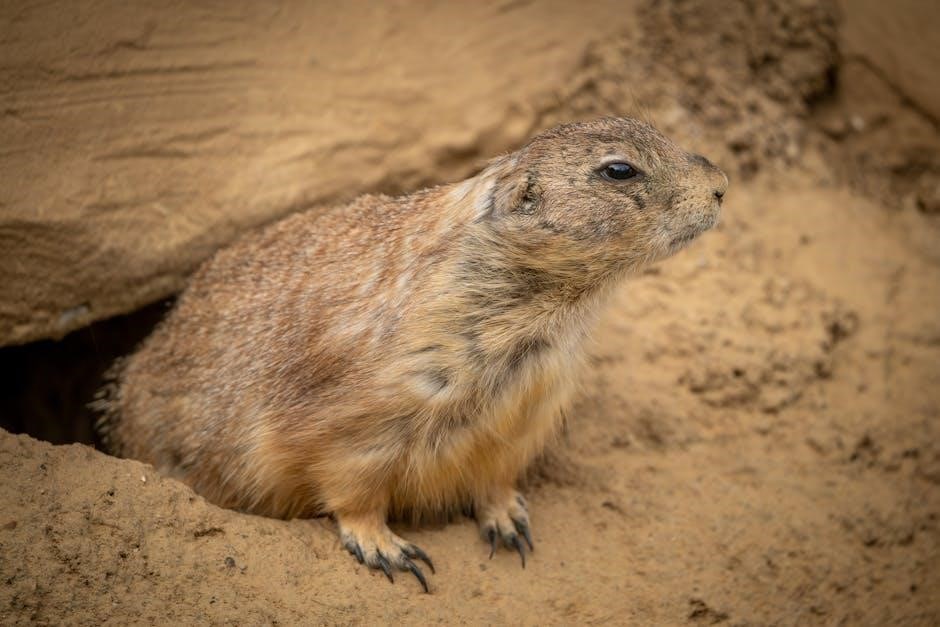
Understanding these basic needs is central to the badge’s learning objectives, encouraging Juniors to consider the interconnectedness of life within an ecosystem.
Food sources vary greatly depending on the animal and habitat, ranging from plants and fruits to other animals.
Access to clean water is equally vital for hydration and various biological processes.
Shelter provides protection from predators and harsh weather conditions, offering a safe haven for rest and reproduction.
Sufficient space is necessary for foraging, hunting, and establishing territories.
The badge emphasizes that a healthy habitat ensures an animal’s well-being and contributes to the overall balance of the ecosystem;
Types of Habitats: A Global Perspective
The Junior Animal Habitats badge requirements PDF introduces scouts to the incredible diversity of habitats found across the globe, fostering an appreciation for Earth’s ecosystems.
These habitats are broadly categorized into major types, including forests, deserts, grasslands, aquatic environments (freshwater and saltwater), and polar regions.
Forests, teeming with life, provide shelter and food for a vast array of species, from monkeys to bears.
Deserts, characterized by aridity, showcase remarkable adaptations for survival in extreme conditions, like camels and reptiles.
Grasslands, or plains, support grazing animals and predators, such as kangaroos and lions.
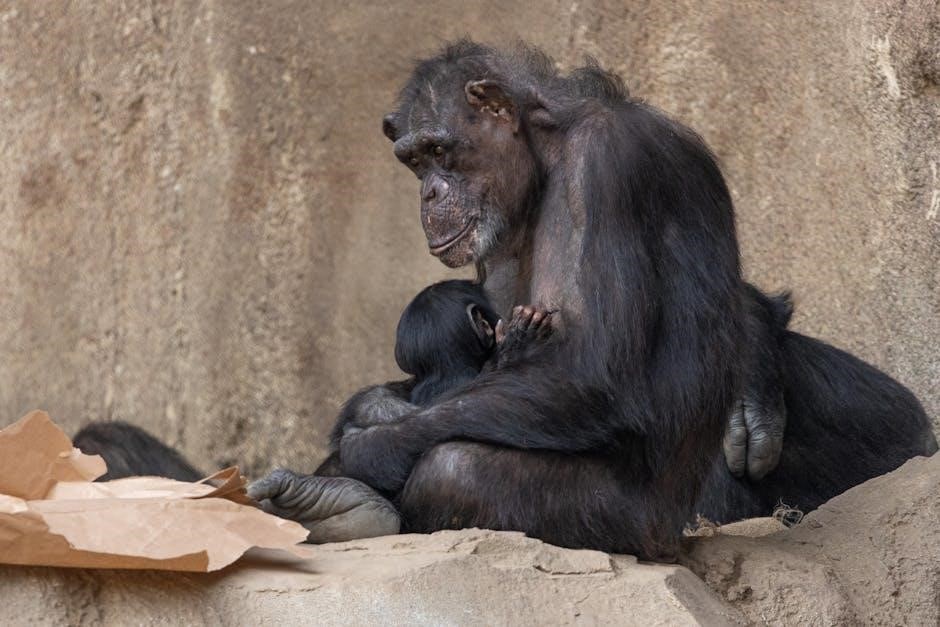
Aquatic habitats, encompassing rivers, lakes, and oceans, are home to fish, marine mammals, and countless other organisms.
The badge encourages Juniors to explore the unique characteristics of each habitat and the animals that call them home, promoting global awareness.
Habitat Components: Food, Water, Shelter, Space
The Junior Animal Habitats badge requirements PDF emphasizes that a habitat isn’t just a place, but a life-support system providing essential components for animal survival.
These core components include food, the energy source for all living things, varying greatly depending on the animal and habitat.
Water is equally crucial, essential for hydration, bodily functions, and often, habitat creation itself, like ponds and rivers.
Shelter provides protection from predators and harsh weather, ranging from dens and nests to caves and thick vegetation.
Space is vital, offering room to find food, raise young, and maintain a healthy population without overcrowding.
Understanding these components helps Juniors recognize how interconnected animals are with their environment and the importance of habitat preservation.
The badge encourages investigation into how animals obtain these necessities within their specific habitats.
Exploring Specific Animal Habitats
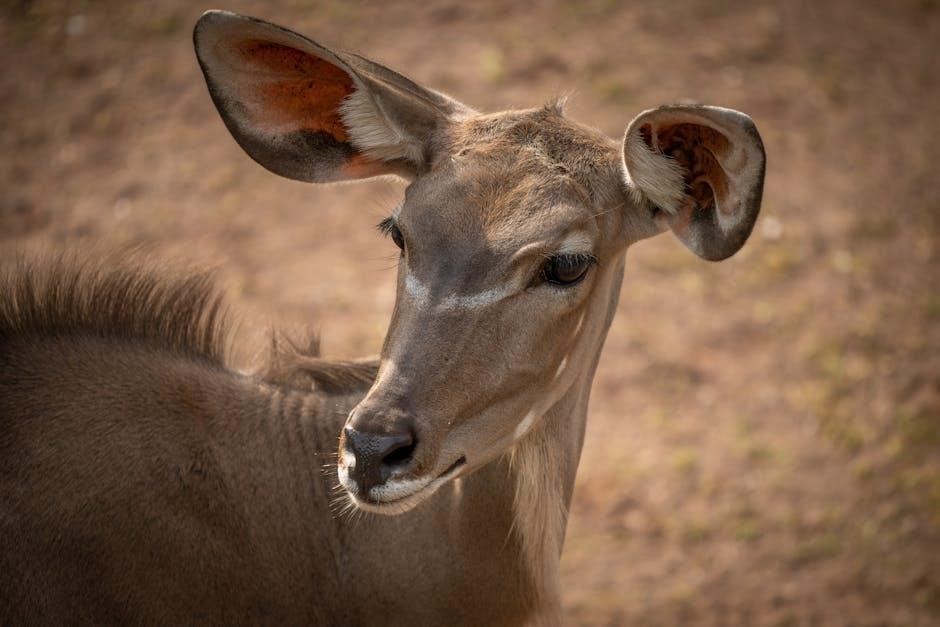
The Junior Animal Habitats badge requirements PDF guides scouts to investigate diverse ecosystems—forests, deserts, aquatic zones, and grasslands—and the animals within.
This exploration fosters understanding of adaptations, food webs, and the unique challenges faced by wildlife in each environment.
Forest Habitats: Animals and Characteristics
According to the Junior Animal Habitats badge requirements PDF, forests are vibrant ecosystems teeming with life, offering a rich environment for study.
Juniors will learn about the diverse animal inhabitants, from bears and wolves to otters, red pandas, and cougars, understanding their specific roles.
The badge encourages investigating how these animals have adapted to the forest environment, focusing on characteristics like camouflage, specialized diets, and unique behaviors.
Scouts will discover how forest animals secure food, water, and shelter, and how they interact with each other within the complex food web.
Understanding the layers of the forest – canopy, understory, and forest floor – is crucial, as each layer supports different animal species.
The PDF emphasizes the importance of recognizing the interconnectedness of forest life and the impact of environmental changes on these delicate ecosystems.
This exploration fosters appreciation for forest biodiversity and the need for conservation efforts to protect these vital habitats.
Desert Habitats: Adaptations for Survival
The Junior Animal Habitats badge requirements PDF highlights deserts as challenging environments demanding remarkable adaptations for survival.
Juniors will investigate how animals thrive in arid conditions, focusing on strategies to conserve water, regulate body temperature, and find food.
The badge encourages learning about specific desert animals and their unique adaptations, such as nocturnal behavior, specialized kidneys, and water storage capabilities.
Scouts will discover how desert animals utilize shade, burrowing, and physiological mechanisms to cope with extreme heat and limited resources;
Understanding the role of cacti and other desert plants in providing food and shelter is also emphasized within the badge requirements.
The PDF stresses the importance of recognizing the delicate balance of desert ecosystems and the impact of human activities on these fragile habitats.
This exploration fosters appreciation for the resilience of desert life and the need for responsible conservation practices.
Aquatic Habitats: Freshwater vs. Saltwater
The Junior Animal Habitats badge requirements PDF directs scouts to differentiate between freshwater and saltwater ecosystems, exploring their unique characteristics.
Juniors will learn about the distinct plant and animal life found in each habitat, considering factors like salinity, water flow, and temperature.
The badge encourages investigation into the adaptations animals have developed to thrive in either freshwater – rivers, lakes, ponds – or saltwater – oceans, seas.
Scouts will discover how fish utilize gills to extract oxygen, and how marine mammals regulate salt intake, showcasing specialized survival strategies.
Understanding the food webs within these aquatic environments, and the impact of pollution on water quality, is a key component.
The PDF emphasizes the interconnectedness of aquatic habitats and their importance to global biodiversity and human well-being.
This exploration fosters an appreciation for the delicate balance of aquatic life and the need for responsible stewardship of our water resources.
Grassland Habitats: Life on the Plains
The Junior Animal Habitats badge requirements PDF guides scouts to investigate grassland ecosystems, often referred to as plains, prairies, or savannas.
Juniors will explore how these habitats are characterized by grasses as the dominant vegetation, with fewer trees due to limited rainfall.
The badge encourages learning about the animals adapted to life on the plains, such as bison, prairie dogs, zebras, and various bird species.
Scouts will discover how these animals utilize camouflage, speed, and herd behavior for survival against predators like lions or wolves.
Understanding the role of fire in maintaining grassland health, and the impact of agriculture on these ecosystems, is crucial.
The PDF highlights the importance of grasslands for grazing animals, soil conservation, and carbon sequestration.
This exploration fosters an appreciation for the unique biodiversity of grasslands and the need to protect these vital landscapes.

Badge Requirements Breakdown
The Junior Animal Habitats badge requirements PDF outlines three key activities: investigating habitats, creating animal houses, and learning about animal needs.
These requirements provide a structured path for scouts to earn the badge through hands-on exploration and educational projects.
Completing these tasks demonstrates a comprehensive understanding of animal life and habitat conservation principles.
Requirement 1: Investigating an Animal Habitat
The first requirement of the Junior Animal Habitats badge, as detailed in the requirements PDF, centers around in-depth investigation of an animal habitat.
Juniors are tasked with selecting an animal – examples include bears, wolves, otters, red pandas, or cougars – and researching its natural environment.
This involves discovering where the animal lives, what the habitat looks like, and the specific conditions necessary for its survival.
Scouts can utilize various resources, such as books, documentaries, and importantly, local zoo websites, to gather information about the chosen animal and its habitat.
The goal is to understand the unique characteristics of the habitat and how it supports the animal’s life, including food sources, shelter, and water availability.
Through this investigation, girls develop research skills and gain a deeper appreciation for the complexities of the natural world and the importance of habitat preservation.
Documenting findings and sharing them with the troop further enhances the learning experience.
Requirement 2: Creating an Animal House
The second requirement, outlined in the Junior Animal Habitats badge requirements PDF, challenges scouts to demonstrate their understanding of animal needs by creating an animal house.
This isn’t about building a home for a live animal, but rather a model or representation of a suitable shelter for a specific creature.
Juniors must consider the animal’s size, climate, and natural behaviors when designing and constructing their animal house.
The project encourages creativity and problem-solving skills as girls think about what materials and features would best meet the animal’s needs for protection and comfort.
For example, a desert animal’s house might include shade and a cool interior, while a forest animal’s house might focus on camouflage and protection from predators.
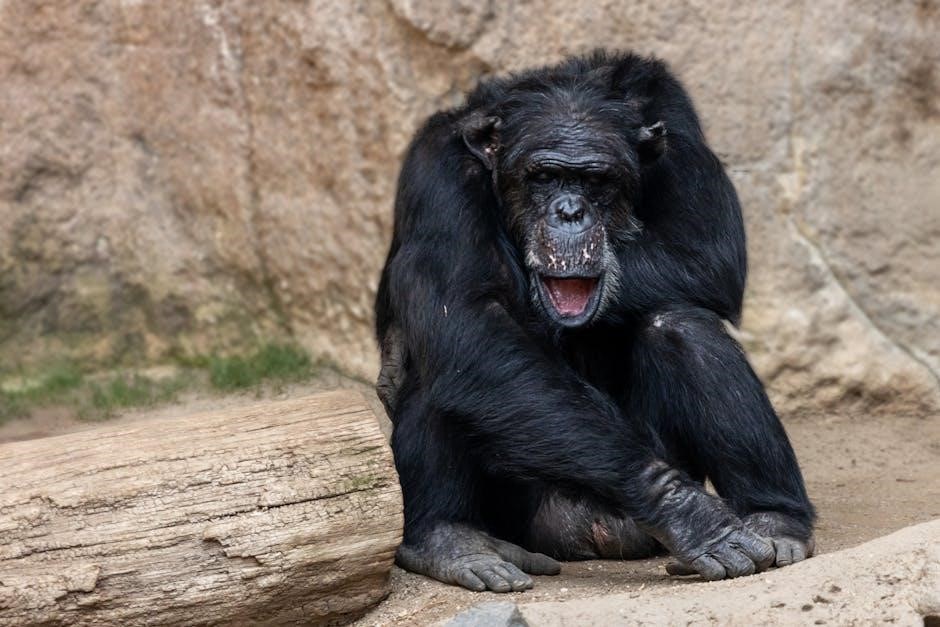
This hands-on activity reinforces the importance of shelter as a vital component of a healthy habitat and fosters empathy for animals.
Sharing and explaining their designs allows scouts to showcase their knowledge and learn from each other.
Requirement 3: Learning About Animal Needs
The final requirement, detailed within the Junior Animal Habitats badge requirements PDF, centers on a comprehensive understanding of what animals need to survive and thrive.
Scouts are tasked with identifying the four basic needs of animals: food, water, shelter, and space, and how these are met within different habitats.
This involves research into a chosen animal – bears, wolves, otters, red pandas, or cougars are suggested – and its specific requirements.
Girls must explore what the animal eats, where it finds water, the type of shelter it utilizes, and the amount of space it needs to roam and hunt.
Utilizing resources like zoo websites and informational texts is encouraged to gather accurate data and deepen their knowledge.
This requirement emphasizes the interconnectedness of habitat components and the delicate balance required for animal survival.
Ultimately, it reinforces the importance of habitat conservation and responsible human interaction with wildlife.
Human Impact on Animal Habitats
The badge requirements PDF highlights how human actions significantly affect animal homes, leading to habitat loss and fragmentation, impacting wildlife survival.
Pollution’s detrimental effects are also explored, emphasizing the need for conservation efforts to protect these vital ecosystems for future generations.
Habitat Loss and Fragmentation
The Junior Animal Habitats badge requirements PDF deeply explores the critical issue of habitat loss, a primary threat to animal populations worldwide. This occurs when natural environments are converted for human use, such as agriculture, urbanization, and resource extraction.
Fragmentation, a related concern, happens when large, continuous habitats are broken into smaller, isolated patches. This restricts animal movement, limits access to resources, and reduces genetic diversity, making populations more vulnerable to extinction. The PDF encourages scouts to investigate local examples of these issues.
Understanding these processes is crucial for appreciating the challenges animals face and identifying potential solutions. The badge aims to empower girls to become advocates for habitat preservation and responsible land management, recognizing that protecting animal homes is essential for maintaining biodiversity and ecological balance.
Scouts will learn how even seemingly small actions can contribute to habitat protection.
Pollution and its Effects on Wildlife
The Junior Animal Habitats badge requirements PDF highlights the detrimental impacts of pollution on wildlife, covering various forms like chemical contaminants, plastic waste, and noise pollution. These pollutants disrupt ecosystems and directly harm animals through ingestion, inhalation, and habitat contamination.
The PDF details how pollutants can bioaccumulate in the food chain, meaning concentrations increase as they move up trophic levels, posing significant risks to predators. It emphasizes the importance of understanding how human activities contribute to pollution and its far-reaching consequences for animal health and survival.
Scouts are encouraged to research specific examples of pollution affecting local wildlife and explore ways to reduce their own environmental footprint. This fosters a sense of responsibility and empowers them to advocate for cleaner environments and sustainable practices, protecting vulnerable species.
Learning about pollution is key to conservation efforts.
Conservation Efforts: Protecting Habitats
The Junior Animal Habitats badge requirements PDF emphasizes the crucial role of conservation in safeguarding animal habitats. It details various strategies employed to protect ecosystems, including establishing protected areas like national parks and wildlife refuges, and implementing habitat restoration projects.
The PDF highlights the importance of sustainable land management practices, reducing deforestation, and mitigating the impacts of climate change on vulnerable habitats. It encourages scouts to learn about organizations dedicated to conservation and explore opportunities for volunteering or fundraising to support their efforts.
Scouts are challenged to identify local conservation initiatives and understand how they contribute to preserving biodiversity. This fosters a sense of stewardship and empowers them to become advocates for habitat protection, ensuring a future where animals can thrive.
Conservation is vital for a healthy planet.
Resources for Earning the Badge
The Junior Animal Habitats badge requirements PDF serves as a primary resource, alongside Girl Scout materials and zoo websites for detailed information.
Online resources and organizational websites offer supplementary learning, aiding scouts in completing badge activities and expanding their knowledge.
Girl Scout Resources and PDF Documents
The cornerstone of earning the Junior Animal Habitats badge is the official requirements PDF document, readily accessible through the Girl Scout website. This document meticulously outlines each step a Junior Girl Scout must complete, ensuring a comprehensive understanding of animal habitats and conservation.
Within the PDF, you’ll find detailed instructions for each of the three requirements: investigating an animal habitat, creating an animal house, and learning about animal needs. It provides guidance on research, creative projects, and hands-on activities, making the learning process engaging and effective.
Additionally, the Girl Scout shop offers supplementary materials, such as activity booklets and guides, that complement the badge requirements. These resources can further enhance the learning experience and provide additional support for leaders and scouts alike. Exploring the official Girl Scout resources ensures alignment with the badge’s core objectives and promotes a well-rounded understanding of animal habitats and responsible stewardship.
Zoo and Wildlife Organization Websites
To supplement the Junior Animal Habitats badge requirements PDF, numerous zoo and wildlife organization websites offer invaluable resources. These platforms provide detailed information about diverse animal habitats, species adaptations, and ongoing conservation efforts, enriching the learning experience.
Local zoos often feature dedicated sections on their websites detailing the habitats of animals in their care, alongside educational materials suitable for Junior Girl Scouts. Websites like the National Geographic and the World Wildlife Fund (WWF) offer extensive databases and articles on global habitats and endangered species.
These external resources can assist with Requirement 1 – investigating an animal habitat – by providing in-depth research material. They also inspire creative ideas for Requirement 2, building an animal house, and deepen understanding of animal needs outlined in Requirement 3. Utilizing these websites fosters a broader perspective on wildlife conservation and responsible environmental stewardship.



0 Comments