Singer Sewing Machine Instruction Manual Free Download: A Comprehensive Guide
Navigating the world of vintage and modern Singer sewing machines often begins with accessing reliable instruction manuals․ This guide provides a pathway to
free downloads, ensuring your machine operates optimally․ Discover resources for models like the 99K, and learn how to unlock your Singer’s full potential!
Understanding Singer Sewing Machine Models
Singer’s legacy spans over a century, resulting in a remarkably diverse range of sewing machine models․ Each model, from the iconic 99K to the more recent computerized versions, possesses unique features and operational nuances․ Recognizing these distinctions is crucial for locating the correct instruction manual and maximizing your sewing experience․
Early Singer machines, like those from the early to mid-20th century, often feature robust, mechanical designs built for longevity․ These models, frequently sought after by collectors and vintage sewing enthusiasts, require specific knowledge for maintenance and repair․ Later models introduced advancements like zigzag stitching and built-in motors, demanding different troubleshooting approaches․
Understanding the classification of Singer machines – whether they are featherweight, zigzag, slant-shank, or computerized – helps narrow down the search for relevant documentation․ The “manuals_contributions” and “manuals” collections highlight the breadth of Singer’s production․ Knowing your machine’s era and general type is the first step towards successful operation and repair, aided by the right instruction manual․
Popular Singer Models with Available Manuals
Several Singer sewing machine models consistently rank high in popularity, and thankfully, manuals for these are frequently available for free download․ The Singer 99K, a beloved zigzag machine, boasts a dedicated following and readily accessible documentation, often found within “manuals_contributions” collections․
The 201-2, another highly sought-after model, is known for its versatility and durability․ Finding a manual for this machine can significantly simplify maintenance and repair․ Many vintage enthusiasts also actively seek manuals for older, straight-stitch models, appreciating their simplicity and reliability․
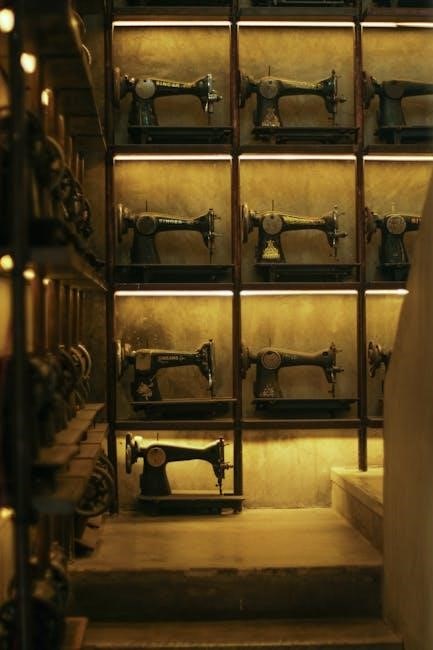
More recent computerized Singer models also have downloadable manuals, though these may be more easily found on Singer’s official website․ Resources like Archive․org and third-party sites often host scanned copies of older manuals, preserving valuable information for current owners․ Identifying your specific model is key to locating the correct, corresponding manual, ensuring optimal performance and longevity of your Singer machine․
Where to Find Free Singer Sewing Machine Manuals Online
Locating free Singer sewing machine manuals online requires knowing where to look․ A primary resource is Singer’s official website, which often hosts downloadable PDFs for current and some discontinued models․ However, for vintage machines, alternative avenues prove invaluable․
Archive․org stands out as a treasure trove, offering a vast collection of scanned vintage manuals, categorized and searchable․ Numerous third-party websites specialize in providing free sewing machine manuals, compiling resources from various sources․ Be cautious when downloading from these sites, ensuring they are reputable and virus-free․
Online forums dedicated to vintage sewing machines frequently feature shared manual links and helpful discussions․ Searching specifically for your model number (e․g․, “Singer 99K manual download”) will yield targeted results․ Remember to explore different search terms and platforms to maximize your chances of finding the correct manual for your Singer machine, unlocking its full potential․
Singer’s Official Website for Manuals
Singer’s official website remains the first and most reliable destination for finding sewing machine manuals․ The site provides a dedicated section for support, including a searchable database of downloadable manuals in PDF format․ This is particularly useful for newer Singer models and some recently discontinued lines․
Navigating the website is straightforward: typically, you’ll need to enter your machine’s model number to access the corresponding manual․ Singer often categorizes manuals by machine type (e․g․, mechanical, electronic, computerized) to streamline the search process․
While the selection of vintage manuals may be limited, the official website guarantees authentic, up-to-date documentation for current machines․ Furthermore, Singer frequently provides troubleshooting guides and FAQs alongside the manuals, offering comprehensive support․ Regularly checking the website is advisable, as they periodically update their manual library․ This ensures you have the most accurate information for your Singer sewing machine․
Archive․org: A Treasure Trove of Vintage Manuals
Internet Archive (Archive․org) is an invaluable resource for locating free Singer sewing machine manuals, especially for older, discontinued models․ This digital library hosts a vast collection of scanned manuals, often dating back to the early 20th century, making it a haven for vintage sewing enthusiasts․

The platform’s search functionality allows users to pinpoint manuals by model number, year of manufacture, or even keywords․ You’ll discover a wealth of information, including operator’s manuals, parts lists, and service guides․ Many manuals are available for immediate download in PDF format, offering convenient access․
While the quality of scans may vary, Archive․org provides access to manuals that are often unavailable elsewhere․ The “manuals_contributions” and “manuals” collections are particularly fruitful starting points․ Remember to verify the manual’s applicability to your specific machine variant, as Singer produced numerous iterations of popular models․ It’s a true digital preservation effort!
Third-Party Websites Offering Free Downloads
Beyond official sources and Archive․org, numerous third-party websites compile and offer free Singer sewing machine manuals for download․ These sites often aggregate links from various sources, providing a convenient one-stop shop for locating specific manuals․ However, exercise caution when using these platforms․
Always prioritize websites with clear reputations and avoid those exhibiting suspicious activity, such as excessive advertising or requests for personal information․ Verify the file type before downloading – PDF is the preferred format – and scan downloaded files with antivirus software to protect against potential malware․
While these sites can be incredibly helpful, the accuracy and completeness of the manuals cannot always be guaranteed․ Cross-reference information with other sources whenever possible․ Some sites specialize in vintage manuals, while others cover a broader range of models․ Careful searching and verification are key to a successful download!
Specific Model Manuals Available (e․g․, 99K, 201-2)
The availability of free Singer sewing machine manuals varies significantly by model․ Highly popular and historically significant models, like the Singer 99K, frequently have multiple manuals available online, often in scanned PDF format․ These resources cater to enthusiasts restoring and maintaining these classic machines․
Other commonly found manuals include those for the 201-2, a versatile zigzag machine, and various Featherweight models․ However, manuals for less common or newer models may be harder to locate․ Websites dedicated to vintage Singer machines often host collections of these specific manuals․
When searching, be precise with the model number, including any suffixes (e․g․, 99K, 201-2)․ The more specific your search, the greater your chances of finding the correct manual․ Remember that some manuals may cover multiple variations within a model series, offering broader compatibility․
How to Identify Your Singer Sewing Machine Model
Accurately identifying your Singer sewing machine model is crucial for finding the correct instruction manual․ The model number is typically located on a nameplate affixed to the machine․ This plate is often found on the front, right side, or back of the sewing machine head․
Look for a series of numbers and letters, such as “99K,” “201-2,” or “15-91;” Sometimes, the nameplate may be partially obscured or difficult to read due to age or wear․ Careful cleaning with a soft cloth can often reveal the markings․
If the nameplate is missing or illegible, the serial number can provide clues․ While the serial number doesn’t directly reveal the model, it can help narrow down the manufacturing date and potentially identify the model through online resources and Singer historical databases․ Documenting the machine’s features – such as zigzag capability or specific motor types – can also aid in identification․
Decoding Singer Serial Numbers
Singer serial numbers are vital for dating your machine and, indirectly, identifying its model․ These numbers, typically found on the machine’s bed or handwheel, offer a glimpse into its manufacturing history․ However, decoding them isn’t always straightforward, as Singer’s numbering system evolved over time․
Early serial numbers (pre-1920s) often correlate directly with the year of manufacture․ Later numbers became more complex, with letter prefixes indicating the year․ For example, a serial number starting with “AK” suggests production in 1948․ Online resources and dedicated Singer forums provide detailed charts mapping serial number prefixes to specific years․
Keep in mind that serial numbers don’t guarantee a precise model identification․ Multiple models could share the same serial number range․ Combining the serial number with the machine’s physical characteristics – such as its style, features, and any accompanying markings – provides the most accurate identification for locating the correct instruction manual․
Using the Manual: Basic Operations
Once you’ve downloaded the correct manual, familiarize yourself with the fundamental operations․ Most Singer manuals begin with safety precautions – always prioritize these! – followed by detailed diagrams illustrating machine parts․ Pay close attention to sections on threading, bobbin winding, and stitch selection, as these are core to successful sewing․
The manual will guide you through the proper technique for threading the upper and lower threads, ensuring smooth stitch formation․ Bobbin winding instructions are crucial for consistent tension․ Stitch selection charts explain the purpose of each stitch and provide recommended settings for different fabrics․
Don’t skip the section on basic troubleshooting․ Common issues like thread breakage or skipped stitches are often easily resolved with a simple adjustment․ Refer to the manual’s diagrams and explanations before attempting any repairs․ A well-used manual transforms your sewing experience!
Threading the Singer Sewing Machine
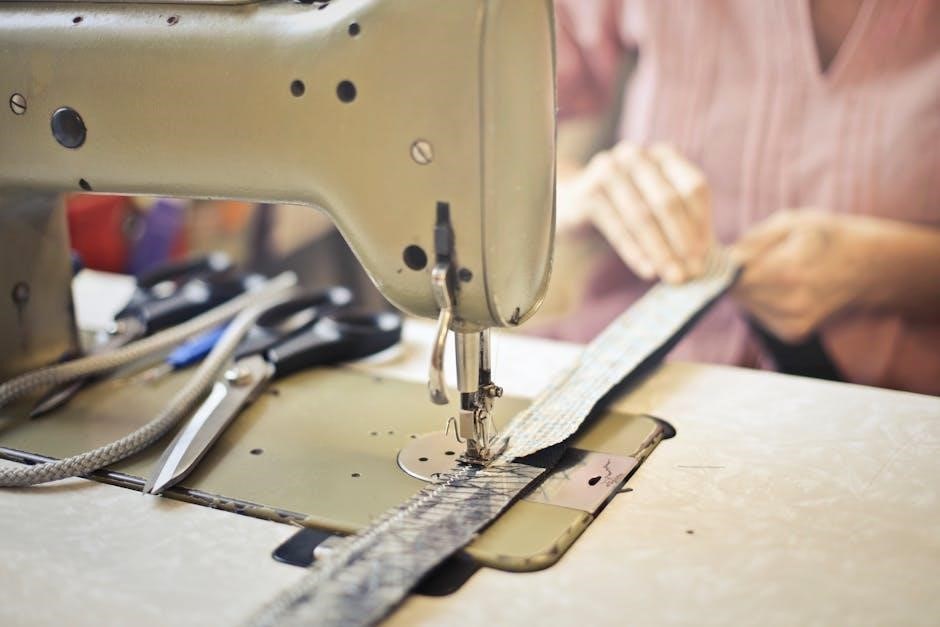
Correct threading is paramount for achieving consistent, high-quality stitches․ Your Singer manual provides a detailed, step-by-step guide, often accompanied by clear diagrams․ Begin by raising the presser foot – this releases tension discs, allowing the thread to seat properly․ Follow the numbered path indicated in the manual, guiding the thread through each guide and tension assembly․
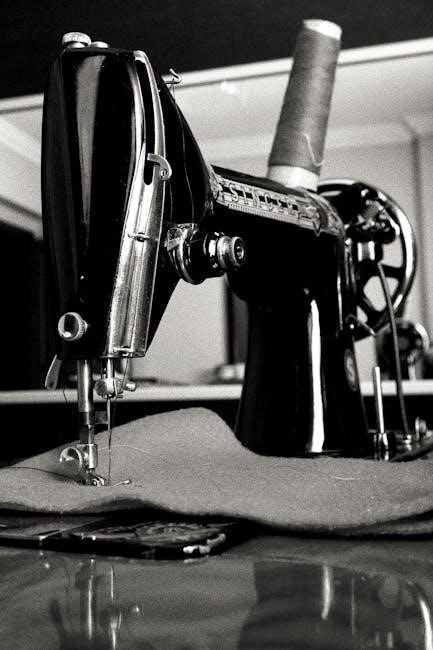
Pay close attention to the take-up lever; ensure the thread is correctly positioned within its hook․ Incorrect threading here is a frequent cause of tension problems․ Next, thread the needle from front to back (typically), again following the manual’s specific instructions for your model․
Always use the correct type of thread for your fabric and ensure it’s smoothly flowing throughout the threading path․ A properly threaded machine minimizes tangles and ensures even stitch formation․ Refer to your manual frequently until the process becomes second nature!

Bobbin Winding and Insertion
Proper bobbin winding and insertion are crucial for balanced stitch formation․ Your Singer manual will illustrate the specific winding process for your model, often utilizing a bobbin winder located on the top or side of the machine․ Ensure the thread is securely anchored to the bobbin before starting, and monitor the winding to prevent uneven fill․
Once wound, carefully insert the bobbin into the bobbin case, again following the manual’s diagram․ The direction and orientation are model-specific; incorrect insertion can lead to tangled thread and skipped stitches․ Guide the thread through the tension spring within the bobbin case, ensuring it’s properly seated․
Finally, bring the bobbin thread up through the designated slot or hole in the needle plate․ A gentle tug confirms it’s correctly engaged․ Consult your manual for detailed illustrations and troubleshooting tips if you encounter difficulties․ A correctly wound and inserted bobbin is essential for seamless sewing!
Stitch Selection and Adjustment

Singer sewing machines offer a variety of stitch options, from straight stitches to zigzags and decorative patterns․ Your instruction manual is key to understanding the stitch selection dial or buttons on your specific model․ Locate the stitch chart within the manual, which visually represents each stitch and its corresponding settings․
Adjusting stitch length and width is vital for achieving desired results․ The manual will detail how to use the corresponding dials or levers to modify these parameters․ Experiment with different settings on scrap fabric to understand their impact before working on your project․ Remember that fabric type influences optimal stitch settings․
For advanced models, the manual will explain features like adjustable presser foot pressure and tension control․ Proper tension is crucial for balanced stitches; the manual provides guidance on identifying and correcting tension issues․ Always refer to your manual for precise instructions tailored to your Singer machine!
Troubleshooting Common Issues
Even with proper care, Singer sewing machines can occasionally encounter problems․ Your instruction manual is the first line of defense! Common issues like thread bunching, skipped stitches, and needle breakage are often addressed with simple solutions detailed within․ Consult the troubleshooting section for specific guidance related to your model․
Thread bunching frequently stems from improper threading or tension imbalances․ Skipped stitches can indicate a dull or incorrectly inserted needle․ Needle breakage might result from using the wrong needle type for the fabric or forcing the fabric through the machine․
The manual provides step-by-step instructions for diagnosing and resolving these issues․ It also outlines safety precautions to take when addressing mechanical problems․ Before seeking professional repair, thoroughly review the troubleshooting guide – you might be able to fix it yourself! Remember to always unplug the machine before attempting any internal adjustments․

Maintenance and Care of Your Singer Machine
Regular maintenance is crucial for extending the life and ensuring the optimal performance of your Singer sewing machine․ Your instruction manual details a schedule and procedure for essential care tasks․ Consistent cleaning prevents lint buildup, which can cause jams and affect stitch quality․ Oil the machine regularly, focusing on moving parts as specified in the manual – this reduces friction and wear․
Dust covers protect the machine from dust and debris when not in use․ Periodically inspect the bobbin area for lint and clean it thoroughly․ Use a soft brush or a specialized cleaning tool to avoid damaging delicate components․ Avoid using compressed air, as it can blow dust into hard-to-reach areas․
The manual also provides guidance on proper storage and handling․ Following these recommendations will help maintain your Singer’s functionality and beauty for years to come․ Remember, a well-maintained machine is a happy machine!


0 Comments