Nevada Construction Business and Law Manual: Article Plan
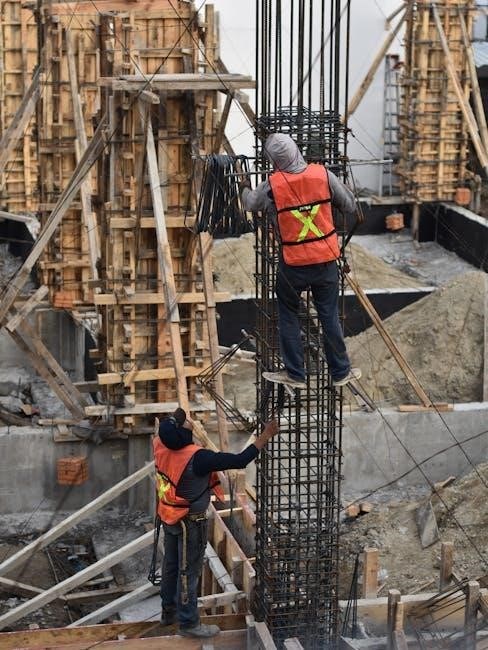
This comprehensive manual details navigating the complexities of construction ventures within Nevada, encompassing legal frameworks and practical business strategies․
Nevada’s construction industry is a dynamic sector, fueled by rapid population growth, tourism, and expanding infrastructure projects․ Understanding the unique legal and business landscape is crucial for success․ This manual serves as a foundational guide for contractors, subcontractors, and stakeholders operating within the state․
The Silver State presents both opportunities and challenges․ A robust economy demands skilled professionals, but navigating licensing, regulations, and potential disputes requires diligent preparation․ This introduction will briefly outline the key areas impacting construction businesses in Nevada, setting the stage for a deeper dive into specific topics․ We will explore the importance of proper business structuring, licensing compliance, and adherence to Nevada’s construction laws to mitigate risks and maximize profitability․
Business Structures for Nevada Contractors
Selecting the appropriate business structure is a foundational decision for Nevada contractors, impacting liability, taxation, and administrative burdens․ The choice significantly influences personal asset protection and long-term financial strategy․ This section examines the most common structures utilized within the construction industry․
We will detail the characteristics of sole proprietorships and partnerships, highlighting their simplicity but also unlimited personal liability․ Subsequently, we’ll analyze Limited Liability Companies (LLCs), favored for their balance of protection and flexibility․ Finally, we’ll explore the complexities of Corporations – both S-Corps and C-Corps – outlining their suitability for larger operations and potential tax advantages․ Careful consideration of each structure’s pros and cons is essential for informed decision-making․
2․1 Sole Proprietorship & Partnerships
Sole proprietorships represent the simplest business form, directly linking the contractor’s personal and business assets․ Setup is straightforward, with minimal paperwork, but this simplicity comes at the cost of unlimited personal liability for all business debts and obligations․ Profits are taxed as personal income․
Partnerships involve two or more individuals agreeing to share in the profits or losses of a business․ Like sole proprietorships, partners generally face unlimited personal liability, jointly and severally․ A well-defined partnership agreement is crucial, outlining responsibilities, profit/loss sharing, and dispute resolution mechanisms․ Nevada law recognizes various partnership types, each with specific implications․ Choosing between these structures requires careful evaluation of risk tolerance and operational needs․
2․2 Limited Liability Companies (LLCs)
Limited Liability Companies (LLCs) offer a popular blend of simplicity and liability protection for Nevada contractors․ An LLC separates the business’s debts and obligations from the personal assets of its members, providing a crucial shield against potential lawsuits or financial setbacks․ LLCs benefit from pass-through taxation, avoiding corporate income tax, while maintaining operational flexibility․
Forming an LLC in Nevada requires filing Articles of Organization with the Secretary of State and adopting an Operating Agreement․ This agreement details ownership structure, member responsibilities, and profit distribution․ Choosing a registered agent is also essential․ LLCs offer various management structures, member-managed or manager-managed, impacting day-to-day operations and decision-making authority․
2;3 Corporations (S-Corp & C-Corp)
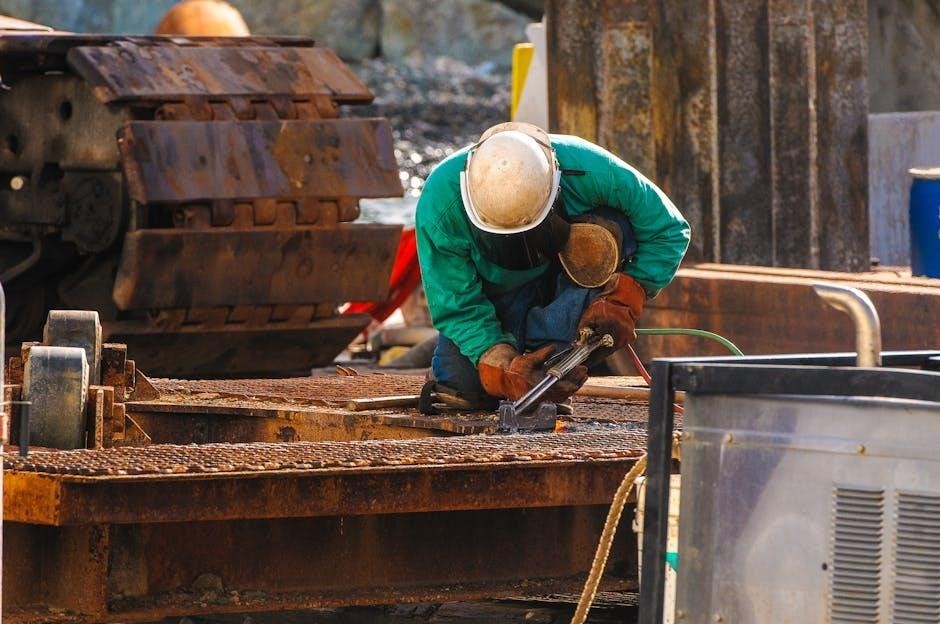
Corporations, both S-Corporations and C-Corporations, represent more complex business structures for Nevada construction companies․ C-Corporations are subject to double taxation – at the corporate level and again when profits are distributed to shareholders; However, they offer the strongest liability protection and can facilitate raising capital through stock issuance․
S-Corporations, conversely, allow profits and losses to be passed through directly to the owners’ personal income without corporate tax rates, similar to an LLC, but with stricter operational requirements․ Forming a corporation involves filing Articles of Incorporation with the Nevada Secretary of State, establishing bylaws, and electing a board of directors․ Careful consideration of tax implications and administrative burdens is crucial when selecting a corporate structure․
Nevada Contractor Licensing Requirements
Operating a construction business in Nevada legally necessitates obtaining the appropriate license from the Nevada State Contractors Board (NSCB)․ This ensures competency and consumer protection․ Licensing requirements vary significantly based on the project value and the type of work performed․ General contractors undertaking projects exceeding $500,000 require a different license than specialty contractors focusing on specific trades like plumbing or electrical work․
Applicants must demonstrate financial stability, pass a trade examination, and provide proof of insurance, including general liability and workers’ compensation (if applicable)․ Background checks are standard procedure․ Maintaining an active license demands ongoing education and adherence to NSCB regulations․ Failure to comply can result in penalties or license revocation․
3․1 Nevada State Contractors Board (NSCB) Overview
The Nevada State Contractors Board (NSCB) is the primary regulatory body overseeing the construction industry within the state․ Established to protect the public and promote fair contracting practices, the NSCB licenses and regulates contractors, investigates complaints, and enforces construction laws․ It operates under the Nevada Department of Business and Industry․
The NSCB’s responsibilities include verifying contractor qualifications, ensuring financial responsibility, and resolving disputes․ They offer resources for consumers, including a contractor search tool and information on common construction issues․ The Board conducts disciplinary actions against licensees who violate state laws or regulations, ranging from fines to license suspension or revocation․ Understanding the NSCB’s role is crucial for both contractors and clients․
3․2 License Classifications & Scope of Work
Nevada utilizes a tiered licensing system, categorizing contractors based on project value and complexity․ License classifications range from ‘A’ (General Engineering Contractors – unlimited value) to ‘D’ (Specialty Contractors – projects valued under $100,000)․ Specific classifications exist within these tiers, such as residential, commercial, and heavy construction․
Each license classification defines the permissible scope of work a contractor can legally perform․ Exceeding this scope is a violation of Nevada law․ For example, a ‘C-2’ license (Concrete & Masonry) restricts work to those specialties․ Proper classification is vital; misclassification can lead to penalties and invalidate insurance coverage․ Contractors must accurately identify their expertise and obtain the appropriate license for each project undertaken․
3․3 Application Process & Requirements
Applying for a Nevada contractor’s license through the NSCB involves a multi-stage process․ Initial steps include completing the application form, providing detailed business information, and submitting financial statements demonstrating solvency․ Applicants must pass a trade examination and a business & law exam, proving competency․
Further requirements encompass proof of comprehensive general liability insurance (minimum $25,000) and workers’ compensation coverage (if applicable)․ A criminal background check is mandatory for all applicants․ License bonds are also required, varying by license classification․ The NSCB thoroughly investigates applications, verifying information and ensuring compliance with all regulations․ Expect a processing time of several weeks to months․
Bidding & Contract Formation in Nevada
Nevada distinguishes between public and private construction bidding procedures․ Public projects typically require adherence to strict competitive bidding laws, emphasizing transparency and equal opportunity․ Private projects offer more flexibility, though fair dealing is still expected․ A clear and comprehensive bid proposal is crucial, detailing scope of work, materials, and pricing․
Once a bid is accepted, a legally binding contract must be formed․ Nevada law mandates specific contract elements, including clear identification of parties, detailed project specifications, payment terms, and dispute resolution mechanisms․ Change orders require written consent from all parties․ Thorough documentation throughout the bidding and contract phases is essential for mitigating potential disputes․
4․1 Public vs․ Private Bidding
Nevada’s public bidding process, governed by NRS 338, prioritizes competitive selection for state and local government projects․ This mandates advertising, prequalification of bidders, and a lowest responsible bidder selection criteria․ Strict adherence to timelines and procedures is vital, with potential for protests if irregularities occur․ Transparency is paramount․
Conversely, private bidding enjoys greater contractual freedom․ While not subject to NRS 338, principles of good faith and fair dealing apply․ Owners can employ invitation-only bidding or negotiate directly with contractors․ However, even private bids should clearly define scope, payment schedules, and change order processes․ Understanding these distinctions is crucial for Nevada contractors pursuing diverse project opportunities․
4․2 Essential Contract Clauses (Nevada Specific)
Nevada construction contracts require specific clauses for enforceability and risk mitigation․ A robust change order clause, referencing NRS 38․1375, is critical, detailing approval processes and pricing․ Include a clear payment schedule tied to verifiable work completion, aligning with Nevada’s prompt payment laws (NRS 338․020)․
Furthermore, a comprehensive dispute resolution clause – specifying mediation or arbitration – can avoid costly litigation․ Address indemnification responsibilities carefully, considering Nevada’s unique statutory limitations․ Finally, a “no damages for delay” clause, while common, requires careful drafting to be enforceable under Nevada case law․ Consulting legal counsel to tailor these clauses is highly recommended․
Nevada Construction Law: Key Regulations
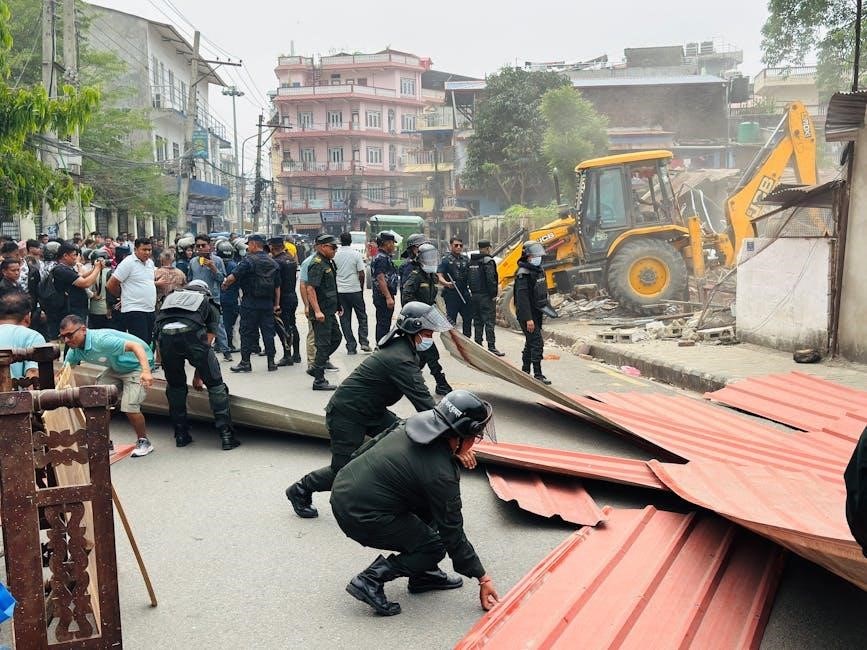
Nevada’s construction landscape is governed by a distinct set of regulations impacting all project phases․ Chapter 38 of the Nevada Revised Statutes (NRS) forms the core, outlining contractor licensing, bidding procedures for public works, and dispute resolution․ NRS 338 addresses payment issues, including prompt payment requirements and potential penalties for non-compliance․
Mechanics’ lien laws (NRS 38․2401-38․2475) are crucial for securing payment rights, demanding strict adherence to filing deadlines and notice requirements․ Understanding Nevada’s regulations regarding prevailing wage (NRS 38․135-38․145) is vital for public projects․ Staying current with these evolving laws is essential for successful and legally sound construction operations․
5․1 Mechanics Liens – Filing & Enforcement
Nevada’s mechanics’ lien law provides a powerful tool for contractors, subcontractors, and suppliers to secure payment for labor, materials, or services rendered․ A preliminary notice must be served within 30 days of first furnishing labor or materials to establish lien rights․ The lien claim itself must be filed within 90 days of last furnishing, and a lawsuit to enforce the lien must commence within one year of filing․
Properly documenting all work performed and materials supplied is critical․ Strict adherence to deadlines and formatting requirements is essential for a valid lien․ Enforcement involves filing a lawsuit, potentially leading to foreclosure on the property․ Understanding Nevada’s specific requirements is crucial to protect your payment rights effectively․
5․2 Payment Bonds & Surety Requirements
Nevada law mandates payment bonds on public works projects exceeding $250,000, safeguarding subcontractors and suppliers against non-payment․ These bonds guarantee that lower-tier parties will receive payment for their contributions․ Surety bonds, generally, are required for contractor licensing, ensuring financial responsibility and ethical conduct․
Claim procedures for payment bonds differ from mechanics’ liens, requiring specific notice and filing deadlines․ Understanding the bond’s terms and conditions is vital․ Failing to comply with these requirements can jeopardize your claim․ Obtaining proper bond information during the bidding process is crucial․ Nevada’s surety requirements aim to protect project owners and ensure project completion․

Risk Management & Insurance
Effective risk management is paramount in Nevada construction, mitigating potential financial and legal liabilities․ Comprehensive insurance coverage is a cornerstone of this strategy․ General liability insurance protects against property damage and bodily injury claims arising from operations․ Workers’ compensation insurance is legally required, covering employee injuries regardless of fault․
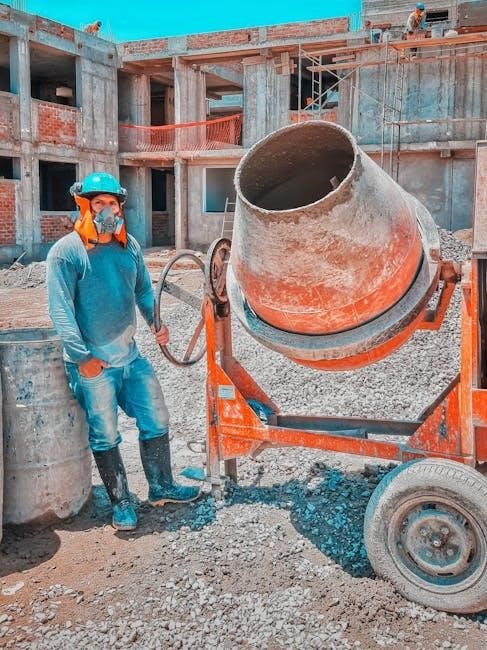
Beyond these basics, consider builder’s risk insurance for property under construction, and professional liability (errors & omissions) insurance for design-build firms․ Thorough contract review, safety protocols, and diligent documentation are also vital risk mitigation steps․ Proactive risk management minimizes disruptions and protects your business’s financial health․
6․1 General Liability Insurance
General Liability (GL) insurance is foundational for Nevada contractors, shielding businesses from significant financial losses․ It covers bodily injury and property damage claims stemming from construction activities, including accidents on-site, completed operations, and advertising injury․ Nevada requires minimum GL coverage amounts, which vary based on license classification; always verify current NSCB requirements․

Policies typically include coverage for legal defense costs, settlements, and judgments․ Consider coverage endorsements for specific risks like pollution liability or excavation collapse․ Regularly review policy limits and ensure they adequately reflect project scope and potential exposures․ Maintaining adequate GL insurance is crucial for protecting assets and ensuring project continuity․
6․2 Workers’ Compensation Insurance
Nevada law mandates Workers’ Compensation insurance for nearly all employers, including construction contractors, even with only one employee․ This insurance provides benefits to employees injured on the job, covering medical expenses, lost wages, and rehabilitation costs․ Failure to maintain coverage can result in substantial penalties, including stop-work orders and legal repercussions․

Proper classification of employees based on their job duties is vital for accurate premium calculation․ Nevada’s State Industrial Insurance System (SIIS) administers workers’ compensation․ Contractors must report all work-related injuries promptly․ Maintaining a safe work environment and implementing effective safety programs can help reduce claims and lower insurance costs․
Dispute Resolution in Nevada Construction
Construction projects frequently encounter disagreements; Nevada offers several avenues for resolution․ Often, contracts stipulate mediation – a non-binding process where a neutral third party facilitates negotiation․ If mediation fails, arbitration, a more formal process with a binding decision, is common․ Arbitration decisions are generally difficult to appeal․
However, litigation in Nevada state courts remains an option, particularly for complex or high-value disputes․ The Nevada Rules of Civil Procedure govern court proceedings․ Understanding statutes of limitations is crucial; delays can forfeit legal rights․ Utilizing experienced construction law counsel is highly recommended to navigate these processes effectively and protect your interests․
7․1 Mediation & Arbitration
Mediation and arbitration are favored alternative dispute resolution (ADR) methods in Nevada construction; Mediation, a voluntary process, utilizes a neutral mediator to facilitate settlement negotiations․ It’s cost-effective and preserves relationships․ Arbitration, often contractually mandated, involves a neutral arbitrator who renders a binding decision, similar to a court ruling, but generally faster․
Nevada’s ADR laws support both methods․ The American Arbitration Association (AAA) and JAMS are common providers․ Carefully review contract clauses regarding ADR – they dictate the process․ While arbitration offers finality, judicial review is limited․ Successful ADR requires good-faith participation and a willingness to compromise from all parties involved, minimizing project delays and expenses․
7․2 Litigation & Court Procedures
When ADR fails, Nevada construction disputes often proceed to litigation․ Cases are typically filed in Nevada’s District Courts, following established civil procedure rules․ Understanding jurisdictional limits (amount in controversy, venue) is crucial․ Discovery – including interrogatories, depositions, and document requests – is extensive․ Pre-trial motions can significantly impact the case’s trajectory․
Nevada courts employ specialized construction calendars in some districts, utilizing judges with construction expertise․ Expert witness testimony is vital, often focusing on industry standards and breach of contract․ Costs can escalate rapidly, including attorney fees, expert costs, and court filing fees․ A thorough understanding of Nevada’s rules of evidence and civil procedure is essential for successful litigation․



0 Comments